

Why your Solana browser wallet choice actually matters (and how to pick one)
Whoa, this ecosystem moves fast. I’m biased, but Solana’s browser wallets feel slick and nimble. First impressions matter more than you think when installing extensions. Install flow, permissions, and UX decide whether you trust something. Initially I thought browser wallet choices were just cosmetic, but then, after testing transaction speed, recovery flows, and cross-site behaviors across a few dApps, I realized the differences are practical and sometimes stark.
Seriously, small choices bite you. Wallet extensions sit between your keys and many websites. So permissions prompts and origin handling matter a lot. My instinct said trust the reputations, though that isn’t sufficient. On one hand a large user base suggests maturity; on the other hand, crypto is still young and nimble dev teams can make or break security with tiny UX decisions that look trivial until they fail.
Hmm… this is personal. I used several Solana browser wallets over several months. Some are lightweight and focused; others pack staking and NFT tooling. You can feel the difference when sending a high-value transfer. Actually, wait—let me rephrase that: speed and clarity in prompts reduce mistakes, whereas ambiguous UI and unclear network toggles produce costly user error that you regret immediately and perhaps forever.
Here’s the thing. Extensions need clear recovery phrases and straightforward backup instructions. If a wallet hides recovery steps behind menus, that bugs me. I admit I skim docs sometimes, so the UI has to carry its weight. Before recommending any specific extension I ran through seed import/export, transaction signing, and simulated phishing to observe how each wallet reacted under pressure, and those experiments revealed subtle behavioral patterns that you won’t read in shiny marketing pages.
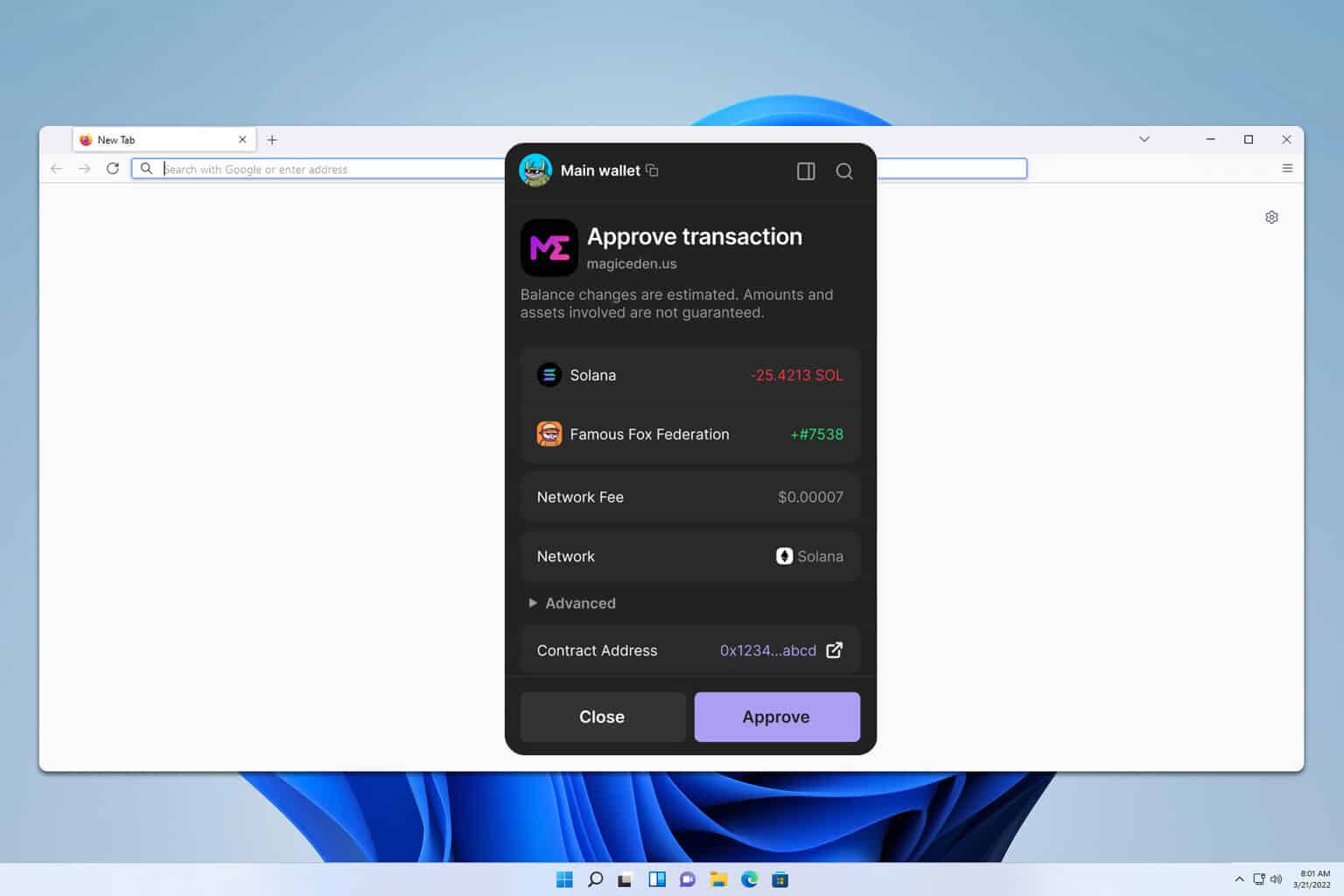
Wow, little details matter. Take network naming for example: devnet versus mainnet-beta clarity matters. When an extension lumps testnet funds and mainnet funds under similar-looking badges, you can mistakenly send real SOL during a quick click, and that single bad affordance is a design flaw that should be fixed across the ecosystem. That said, robust transaction previews and a clear signature request modal—one that shows the destination, the amount, the program invoked, and the exact data payload—go a long way toward preventing user error and social-engineering attacks that rely on confusion. I tested a recommended option and found the modals clear and concise.
My instinct said caution. Extensions can be updated frequently and sometimes quickly without notice. So review update logs when you can, and check community channels. On the security front, hardware wallet integration is the single most effective step toward reducing risk, because keeping the private key off the browser removes a huge class of web-based threats, though not all of them. Even with a hardware key, phishing can trick you into signing transactions that look benign but execute complicated calls, and the only defense there is careful UX design and user education, which are both imperfect.
Okay, so check this out— I recommend trying a wallet on testnet first for workflows. Create a small practice account and simulate swaps and NFT mints. Doing this reveals how confirmations look, how fees are shown, and whether an app auto-connects or nags you repeatedly, and that behavioral information is gold when you decide which extension earns your trust. Initially I thought onboarding was trivial; though actually, a single confusing step during wallet connect can make users abandon a dApp and never return, which matters for both adoption and safety, so design choices influence the ecosystem’s growth in subtle ways.
Practical pick for most users
I’m not 100% sure. But here’s a practical tip for everyday users. If you want a solid starter wallet, look for clear permissions and simple recovery. For many people, the phantom wallet strikes a balance between usability and features. It has a large community, reasonable defaults, and thoughtful transaction previews, yet you should still pair it with a hardware key and keep backups offline, because no extension is bulletproof and threat models evolve faster than any single vendor’s roadmap.
FAQ
Which browser should I use with Solana wallets?
Use a Chromium-based browser for widest extension support. Brave, Chrome, and Edge work well. Firefox support exists but expect tradeoffs in extension APIs sometimes. Also, keep your browser updated and avoid many extensions running at once because that increases attack surface (oh, and by the way… disable unused extensions).
Should I use mobile or extension wallets?
Mobile wallets are convenient, but browser extensions integrate tightly with dApps. Consider combining both: use a mobile or hardware wallet for cold storage and an extension for frequent interactions. I’m biased toward hardware-backed keys for any funds you can’t afford to lose. Try somethin’ small first—very very small.
