

Exploring the evolution of gambling through the ages
Exploring the evolution of gambling through the ages
The Origins of Gambling
The history of gambling can be traced back thousands of years, with evidence of its existence in ancient civilizations. Archaeological findings suggest that the earliest forms of gambling appeared in China around 2300 BC, with the use of rudimentary dice and betting on random outcomes. Similarly, ancient Egyptians engaged in games of chance, with dice made from bones and knucklebones, highlighting humanity’s longstanding fascination with luck and fortune. In today’s world of online entertainment, many enthusiasts turn to poker websites as a modern take on these age-old games.

The Sumerians, around 3000 BC, also created one of the first known betting games, involving animal fights and betting stakes. These early forms of gambling were not merely for entertainment; they played a crucial role in social interactions and were often intertwined with religious rituals, demonstrating the profound cultural significance of chance and luck in early societies.
The Rise of Organized Gambling
As societies evolved, so did the structure of gambling. By the time of the Roman Empire, gambling had become more organized, with public games and tournaments attracting large crowds. The Romans introduced betting on gladiator fights and chariot races, which not only provided entertainment but also served as a means for the ruling class to assert their power and control over the masses.
During this period, the concept of betting houses emerged, paving the way for modern casinos. These establishments allowed individuals to engage in various games, from dice to more structured card games. The acceptance of gambling as a legitimate activity marked a significant shift in societal views, as it transitioned from a pastime of the elite to a widely enjoyed activity across different social classes.
The Modern Casino Era
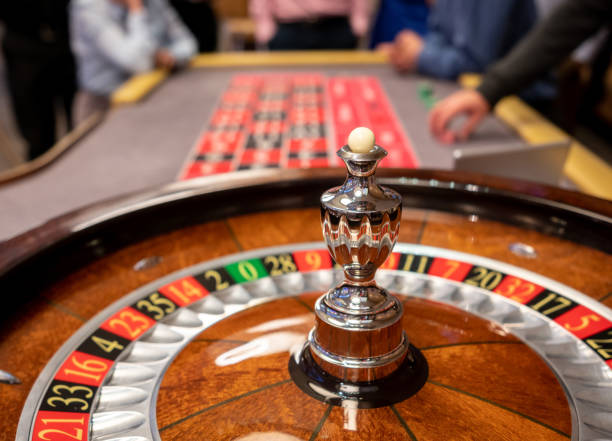
The 17th and 18th centuries saw the establishment of the first official casinos in Europe, particularly in Italy and France. The Casino di Venezia, opened in the early 17th century, is often cited as the world’s oldest casino. These venues offered a variety of games, including faro and roulette, and attracted nobility and the wealthy class, further legitimizing gambling as a sophisticated leisure activity.
The rise of gambling was not without controversy. Laws were enacted to regulate these establishments, reflecting society’s ongoing struggle to balance entertainment with moral considerations. Nevertheless, the popularity of casinos continued to grow, leading to the spread of gambling culture across Europe and into America, where the first legal casinos were established in the late 19th century, particularly in places like Nevada.
The Digital Revolution of Gambling
The late 20th and early 21st centuries marked a transformative era for gambling, largely driven by advancements in technology. The advent of the internet revolutionized how people engage with gambling, leading to the rise of online casinos and sports betting platforms. These digital venues provide convenience, allowing players to gamble from the comfort of their homes or on-the-go through mobile devices.
Online gambling platforms have introduced an extensive range of games, including virtual slot machines and live dealer experiences, appealing to a diverse audience. As technology continues to advance, the integration of virtual reality and blockchain in gambling is emerging, promising to reshape the industry further and enhance user experiences through innovative gaming solutions.
Modern Gambling Culture and Etiquette
Today, gambling is woven into the fabric of global culture, with various forms ranging from sports betting to poker nights at home. Each gambling environment carries its own set of etiquettes that players are expected to follow. Understanding proper behavior—such as respecting other players, adhering to game rules, and maintaining decorum—contributes to a positive gaming experience.
As gambling evolves, so does the conversation around responsible gaming. Encouraging players to engage in gambling as a form of entertainment rather than a financial strategy is essential for the industry. Casinos and online platforms are increasingly providing resources to promote responsible gambling, reinforcing the idea that, while thrilling, gaming should be approached with caution.
